Winter guide
A conservatory cold in winter: where the heat goes
Find out where the warmth goes when temperatures drop across the UK. Learn why heaters struggle, how much heat escapes through the roof, and what changes when insulation sits above the ceiling.
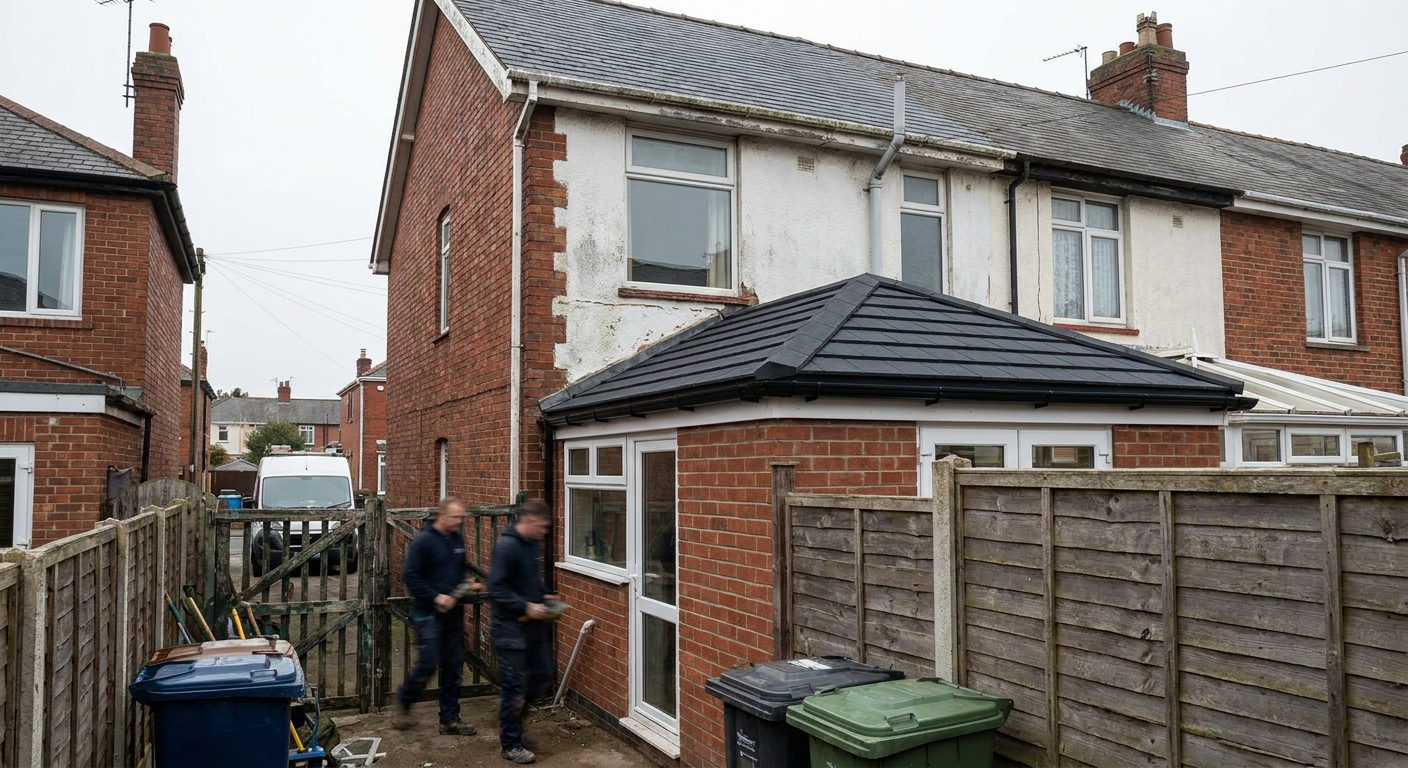
Where the heat goes when January arrives
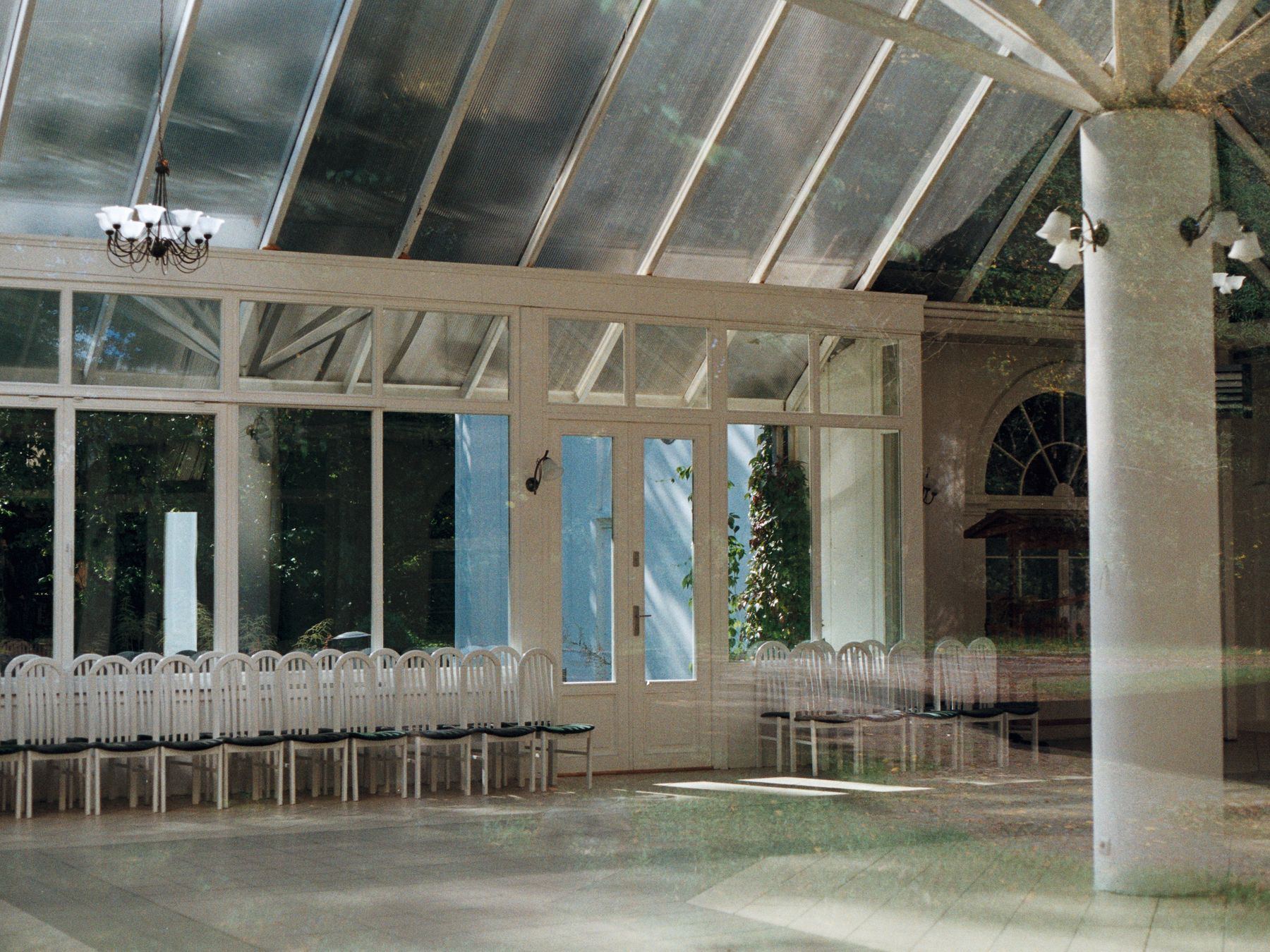
A conservatory cold in winter is usually too cold to use for more than a few minutes at a time. The room loses warmth faster than any heater can replace it because the structure was built to let light in, not hold temperature.
Most of that loss happens overhead. Conservatory heat loss through the roof accounts for the largest share of escaping warmth, since glass or thin polycarbonate panels offer almost no resistance to the outside air. Frames and the floor take their share too, but the ceiling is where the room fails first.
Electric radiators and fan heaters run constantly and still leave the space feeling damp. Heating a conservatory cheaply is difficult when the surface above you is essentially a single layer of material separating the room from a British January. The heater warms the air, the air touches the cold roof, and the cycle starts again.
This is why many homes across the United Kingdom treat the room as storage between November and March. The problem is structural, so running appliances harder does not fix it.
What insulating above the ceiling actually changes
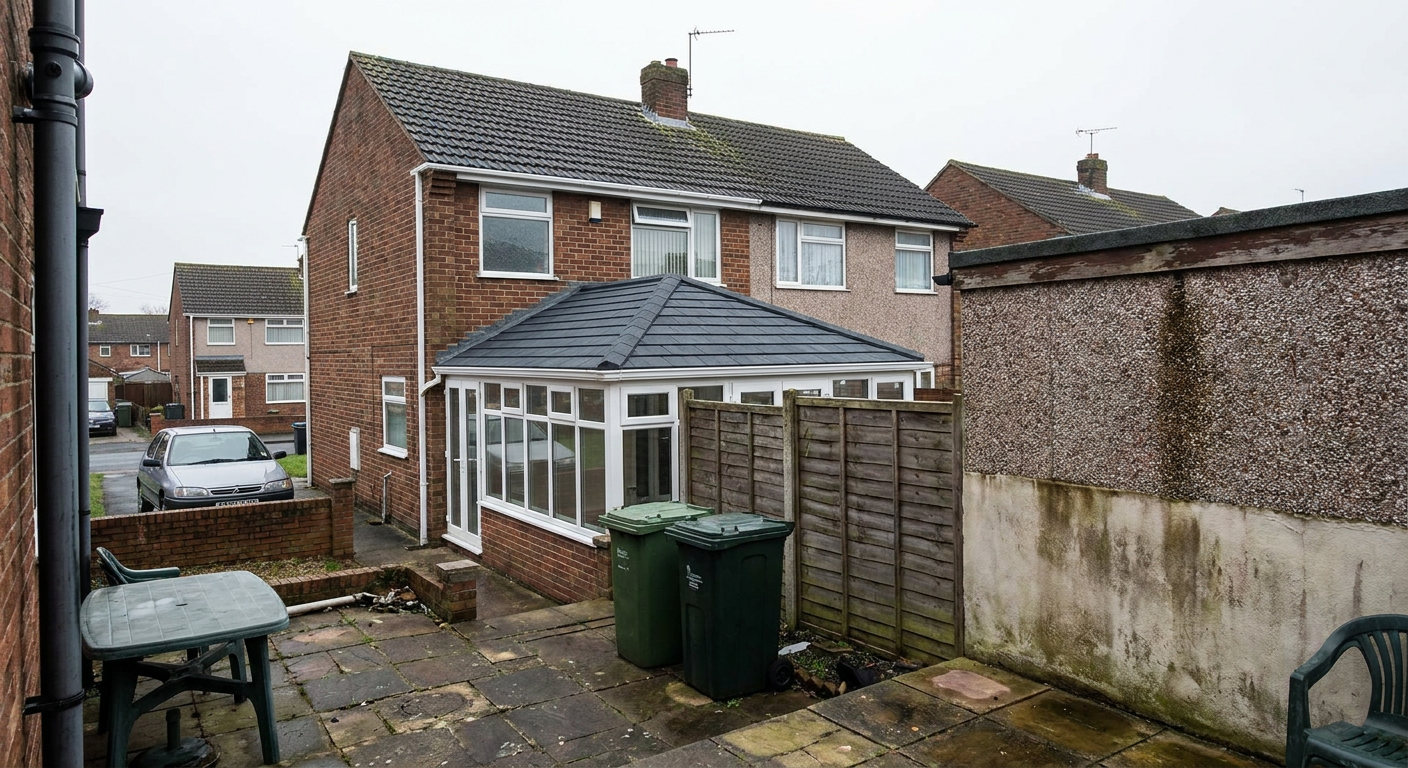
When a specialist firm adds insulation above the existing ceiling line, they change how the room behaves. A warm roof conversion places rigid boards or insulated panels between the old glazing bars and a new internal ceiling, trapping heat inside rather than letting it pass straight through.
The difference is immediate. The air stops cycling against a freezing surface, so the room holds whatever warmth enters it. You still need some heating, but a small radiator or low-output electric panel can maintain a steady temperature instead of fighting a losing battle.
People who insulate a conservatory roof for winter often find the room usable year-round for the first time. Furniture stays dry, soft furnishings stop smelling damp, and the space functions like an extension rather than a glass box bolted to the back of the house.
Insulation also reduces rain noise significantly, which matters during long UK downpours. The solid barrier absorbs sound that bare glass or polycarbonate would amplify. Specialist fitters handle this work externally in most cases, so the interior of the home remains undisturbed while the roof is rebuilt.
Frames, floors and whether glazing needs replacing
The roof is the main problem, but it is rarely the only one. Older aluminium or early uPVC frames conduct cold directly into the room. If the frames are original and the seals have hardened, draughts will continue even after the ceiling is insulated.
Changing the glazing at the same time depends on the condition of those frames and the type of roof chosen. A solid tiled roof removes the glass entirely, so frame upgrades happen as part of the installation. An insulated panel system might retain the existing framework if it is structurally sound.
The floor presents a different challenge. Most conservatories sit on a shallow concrete slab with no insulation beneath it. That slab stays cold regardless of what happens to the roof. Once the ceiling is dealt with, the floor becomes the next coldest surface, though rugs and underfloor heating mats make it manageable without major building work.
Specialist firms assess all three elements before recommending what needs replacing and what can stay.
Radiators, condensation and making the room work
Extending the central heating pipework from the house into a conservatory is restricted by building regulations in the United Kingdom. A room with a glazed or partially glazed roof typically must remain thermally separate from the main dwelling. Specialist installers advise on what is permitted before any pipes are run.
Condensation is a direct result of warm indoor air meeting the cold inner surface of the glass. When insulation covers that surface, the temperature differential disappears. Stopping conservatory condensation is one of the secondary effects of a warm roof upgrade, because the moisture no longer has a cold enough surface to form on.
The cost of making the room usable through winter varies with the roof shape, size and chosen materials. Lean-to structures cost less than Victorian or Edwardian designs because of their simpler geometry. A specialist firm provides a breakdown once they have measured the existing frame and checked its load-bearing capacity.
Installation typically takes between two and five days. The work happens mostly from outside, so daily life inside the house continues with minimal disruption.
Signs your conservatory is losing too much heat
Cold rooms show specific symptoms before you feel them fully. These are the things you can see and touch when the structure is failing to hold warmth during UK winters.
- 1
Water pooling on window sills
Moisture gathers where warm air meets cold frames overnight. It suggests the room cannot hold a stable temperature.
- 2
Frost on the inside of the roof
Ice forming indoors means the inner surface is close to outside temperature. Heat is passing straight through.

- 3
Heater running but air stays cold
The appliance works, but the room loses warmth faster than it generates it. The structure is the problem.
- 4
Damp smell in soft furnishings
Cushions and curtains absorb moisture from cold air. A persistent musty odour points to ongoing condensation.
- 5
Visible gaps around frame seals
Rubber gaskets shrink and crack over time. Draughts enter through these gaps, cooling the room further.
Questions about winter conservatory heat loss
Answers to the things homeowners across the UK ask when a conservatory becomes unusable between November and March.
- Why the heater never catches up
- The roof lets heat escape faster than a portable unit can produce it. Insulation slows that loss so the heater can maintain a steady temperature.
- Roof versus frames and floor
- The roof accounts for most heat loss. Frames and the floor contribute, but the large uninsulated surface overhead dominates the problem.
- Roof insulation alone or new glazing too
- If the frames are sound, insulating the roof may be sufficient. Damaged or single-glazed frames usually need replacing at the same time.
- Running a radiator off the house boiler
- Building regulations generally require a conservatory to remain thermally separate. A specialist installer clarifies what is legally permitted.
- Will a warm roof stop condensation
- Yes. Covering the cold inner surface removes the place where moisture forms, so water stops running down the inside of the glass.
- How the floor behaves afterwards
- The slab stays cool since it lacks insulation beneath it. Rugs or electric underfloor mats help once the roof no longer drains the warmth.
Ask about warming your conservatory
Send the dimensions and a description of the problem. A specialist firm reviews the details and responds with options. There is no obligation to proceed.
- No obligation
- Specialist response
- UK coverage