Rain noise guide
How to stop rain noise on a conservatory roof
Thin polycarbonate sheets amplify every shower. Find out why rain noise on conservatory roof panels is so loud, how solid tiles and insulation layers absorb the sound, and what a replacement involves across the UK.
Why polycarbonate makes rain so loud
A polycarbonate roof too loud rain is a common complaint in the UK. The material is thin, lightweight and rigid, which means it vibrates easily when water hits it. Those vibrations travel through the sheet and into the air inside the room as sound.
A standard house roof has heavy timber, thick felt, battens and tiles or slates. Each layer absorbs some of the energy from falling rain before it reaches the ceiling below. Polycarbonate has almost none of that mass. A single hollow chambered sheet acts like a drum skin, turning every drop into a sharp tap.
Hail noise on conservatory roofs is worse still. Ice pellets are heavier than rain and strike with more force, making the vibration louder and faster. If you notice your conservatory roof rattling during hail, the sheets may have loosened in their glazing bars over time. Age and weather cycles cause the rubber gaskets to shrink, leaving gaps where the plastic can move and knock against the frame.
Glass, tiles and insulated panels compared
Quiet conservatory roof options depend on adding mass and breaking up the path sound travels. A replacement glass roof is heavier than polycarbonate and flexes less, so rain sounds duller rather than sharp. But glass is still a single hard surface, and heavy rain remains clearly audible.
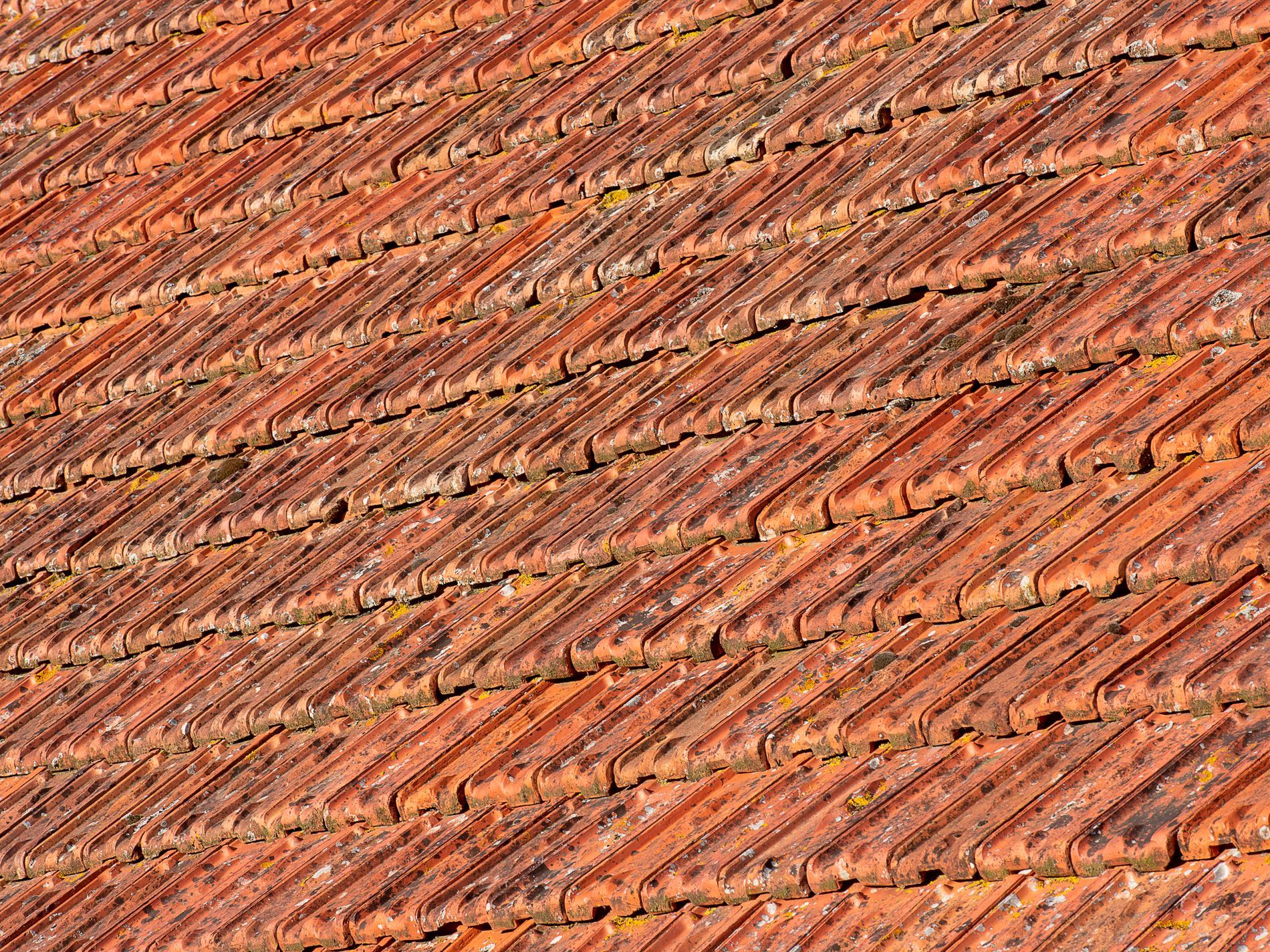
To really cut the noise, a solid tiled roof works differently. Tiles sit on timber battens above a waterproof membrane, insulation boards and plasterboard. That stack of materials absorbs and scatters sound waves at each boundary. By the time rain hits the outer tile, very little energy passes through the insulation to reach the room.
Insulated panel systems offer a middle ground. They use foam cores sandwiched between metal or composite skins. The foam deadens vibration better than glass, though not as completely as a full warm roof build-up with separate layers. Anyone looking to soundproof conservatory roof structures usually finds that separating the outer weather layer from the inner ceiling gives the best result, because the gap itself stops sound bridging across.
What a plastered ceiling adds to the quiet
Adding a plastered ceiling beneath an existing roof changes the acoustics of the room. Plasterboard has mass, and fixing it to new timber framing creates a cavity that traps some sound. To reduce noise conservatory ceiling modifications usually pair the board with insulation packed into that cavity.
How much quieter this makes the room depends on the original roof. Under polycarbonate, a plastered ceiling with mineral wool or rigid foam above it takes the edge off the sharper taps, but heavy rain will still be heard. The thin outer sheet continues to vibrate, and some of that energy transfers down through the framing.
Under a tiled roof, the effect is far greater. The tiles already slow the sound, and the plasterboard plus insulation catches what remains. The specialist fitter builds a suspended ceiling independent of the outer roof where possible, so vibrations do not pass directly from one structure to the other. This separation is what turns a noisy space into a quiet one.
Fixing noise without replacing the whole roof
Some homeowners ask whether anything can be added to the existing roof to deaden the sound without replacing it. Internal lining kits clip under the glazing bars and cover the polycarbonate with padded fabric or thin foam panels. These soften the sharpest noises and reduce echo in the room.
They do not stop the outer sheet vibrating. Rain still strikes the polycarbonate, and the drumming continues at a lower volume. Over time, trapped moisture between the lining and the roof can cause condensation problems if ventilation is not managed carefully.
External coatings or thicker replacement sheets fit into the same bars and add a small amount of mass. They change the pitch of the noise rather than removing it. For a lasting reduction, the most effective route is a full warm roof conversion, where the old sheets come out and a built-up system goes in. A specialist firm handles that work, stripping the old roof back to the frame before fitting new timbers, insulation and tiles.
Costs, timing and getting someone to look
The cost to build a quieter roof for a lean-to conservatory varies by region and specification across the UK. Insulated panels tend to sit at the lower end of the price range, while a full solid tiled warm roof with a plastered finish costs more because of the extra materials and labour involved. A specialist firm surveys the structure first to confirm the existing frame can carry the additional weight.
Most replacements take between three and five working days once the materials arrive. The specialist removes the old roof, fits the new structure and finishes the inside. If it rains during the work, the team uses temporary covers over the exposed frame to keep water out of the home until the new waterproof layers are sealed.
To get someone out to look at the noise, you can send details about your conservatory through this site. The information goes to a specialist firm near you who deals with these installations. They arrange a visit, assess the frame and talk through what would work for your home.
Signs your conservatory roof is amplifying rain
Thin roofing sheets turn falling water into noise. The problem shows up in specific ways during wet weather, especially in older conservatories across the UK where the materials have aged.
- 1
Loud drumming in light showers
Even drizzle produces a constant tapping sound. Thin sheets vibrate easily because they lack the mass to absorb the impact of small water droplets.
- 2
Rattling during hail or wind
Sheets knock against the glazing bars. Shrinking rubber seals leave gaps that let the plastic move, making hail noise on conservatory roofs much louder.
- 3
Echo inside the room
Sound bounces off hard surfaces. A bare polycarbonate ceiling reflects noise back down, so the room feels louder than the rain outside suggests.
- 4
Condensation after storms
Moisture beads on the underside. Temperature drops during heavy rain cool the thin sheet fast, causing water vapour to settle on the inner surface.
Questions about noisy conservatory roofs
Homeowners across the UK ask these things when rain makes their conservatory difficult to use.
- Why is polycarbonate so loud?
- It is thin, light and rigid. Rain strikes it and the whole sheet vibrates like a drum skin, sending sound straight into the room.
- Is glass quieter than polycarbonate?
- Glass is heavier and flexes less, so the sound is duller. It is quieter, but heavy rain remains clearly audible without insulation.
- Do I need tiles to stop the noise?
- Tiles, insulation and a plastered ceiling together absorb sound at each layer. That combination reduces rain noise far more than glass alone.
- Can I line the existing roof instead?
- Internal padding softens sharp sounds but does not stop the outer sheet vibrating. It lowers the volume rather than removing the drumming.
- Who looks at the noise problem?
- Send your details here and a specialist firm covering your area receives them. They arrange a visit to assess the frame and advise.
Ask about a quieter conservatory roof
Send your details and a specialist firm near you receives the information to arrange a survey. There is no obligation to accept any quote they provide.
- No obligation to proceed
- Specialist firms only
- Covers all UK regions