Summer heat
Why your conservatory is too hot in summer
Find out why glass roofs trap heat, what blinds and film can actually do, and which replacement build-ups change the temperature inside your home. Separate specialist firms handle every job across the United Kingdom.
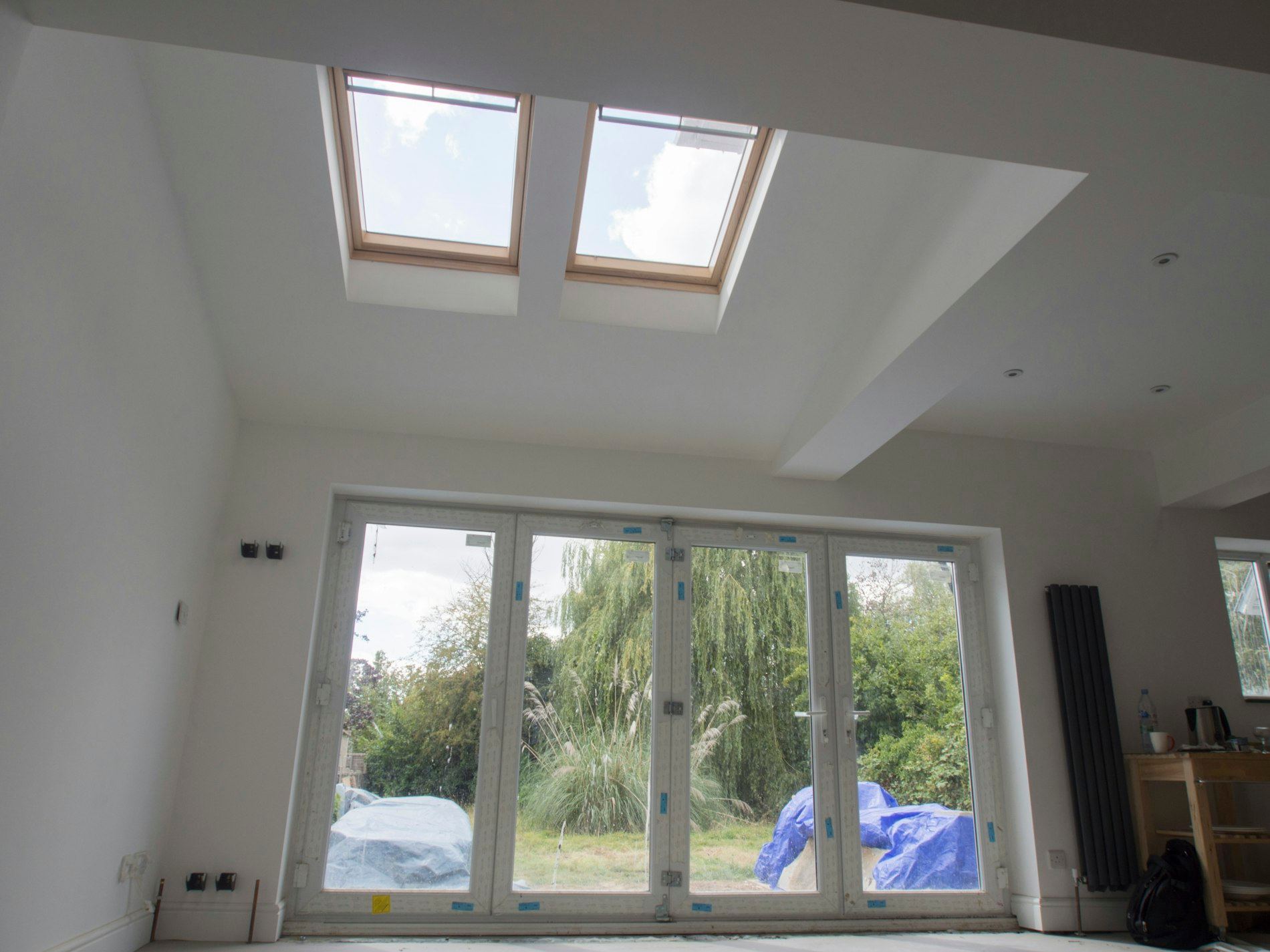
Why a glazed roof traps heat
A conservatory too hot in summer is the complaint that starts most enquiries. The problem is solar gain. Sunlight passes through glass or polycarbonate and warms the floor, furniture and air inside. That heat cannot escape back through the glazing at the same speed it entered, so the temperature climbs.
Opening the doors to the house helps a little, but warm air still pools under the roof. On days when the UK sees direct sun, even a north-facing room can reach thirty degrees or more within an hour. People try to cool down a glass conservatory with fans, but moving hot air around does not remove the heat.
The shape of the roof matters too. A lean-to with a low pitch holds warm air closer to head height than a Victorian roof with a steep ridge. But the material is the main factor. Single-skin polycarbonate and standard double glazing offer almost no resistance to incoming radiation. If you want to stop conservatory overheating in the UK, the roof itself is where the change has to happen.
What blinds, film and ventilation actually fix
Blinds are the first thing many people try. Do conservatory blinds reduce heat? They block some light and make the glare less harsh, but they sit inside the room. The sunlight has already passed through the glazing before it hits the fabric, so the energy is already inside. Pleated or roller blinds will dim the space and protect upholstery from fading, yet the air temperature barely drops.
Solar control film works on the same principle. Applied to the outside face of the glass, it reflects a portion of the infrared spectrum. It can shave a few degrees off the peak temperature, but it also darkens the room permanently. In November, when you want every scrap of warmth, the film is still working against you.
Roof vents and extractor fans move air. If the outside temperature is lower than the inside, they help. During a heatwave they simply pull in more hot air. Ventilation addresses stuffiness rather than radiant heat. For a room that becomes genuinely unusable in summer heat, these additions treat the symptom while the glazing keeps producing the cause.
Roof build-ups that change the temperature
Replacing the glazing with an insulated structure changes how the room behaves in every season. A solid tiled roof blocks solar gain completely. Beneath the tiles, layers of insulation board prevent heat from conducting inward. The room underneath stays close to the temperature of the rest of the house.
Insulated panel systems work similarly but use lighter materials. They fit onto the existing frame in most cases, so the base structure stays in place. Panels with a high-performance core cut the amount of radiant heat entering the space without adding the weight of concrete tiles.
If keeping natural light matters, replacement glass roofs use solar-control double glazing with a low-emissivity coating. This type of glazing lets visible light through while reflecting a large share of infrared radiation. It reduces the peak temperature without turning the room into a shaded box.
Each option suits different frames. An older aluminium system might need a lightweight panel, while a timber-framed Edwardian shape can often support tiles. A specialist firm will check the load-bearing capacity before recommending a build-up. The best roof to reduce solar gain depends on what the existing structure can carry and how much daylight you want to keep.
Light, heat and the trade-off
Fear of losing light stops many people from changing their roof. A fully tiled finish does remove the view of the sky, but it does not have to make the room dark. Specialists can install roof windows within a tiled surface to bring back direct daylight over a dining table or seating area.
Insulated panels sometimes come with translucent sections that let diffused light through without the associated heat. The result is a softer glow rather than the sharp beam of a clear glass pane.
When the heat problem is solved, the room changes function. Furniture stops fading. Plants that scorched in July survive. The space becomes usable for meals, work or reading throughout the day rather than only after sunset. Many households find they start heating the conservatory less in winter too, because the same insulation that keeps summer sun out holds winter warmth in.
Signs your conservatory is trapping too much heat
Solar gain shows itself in specific ways before you even check a thermometer. These are the things you notice when the room gets too warm to sit in comfortably.
- 1
Faded furniture and flooring
Upholstery or laminate near the glass loses colour faster than in other rooms, suggesting prolonged exposure to direct ultraviolet light.
- 2
Condensation drying quickly
Morning moisture on the glass vanishes within minutes once the sun hits it, indicating rapid temperature swings at the glazing surface.
- 3
Stuffy air despite open doors
Leaving internal doors wide open fails to cool the space, meaning heat is building faster than air movement can disperse it.
- 4
Hot surfaces under the roof
Tabletops or window sills directly below the glazing become too warm to touch after an hour of sunshine.
Questions about summer heat in a conservatory
Answers to common questions about cooling a hot room. Ask anything else via the contact page. Ask something else.
- Why does my conservatory get so hot even with the doors open?
- Glass and polycarbonate let solar radiation in, warming everything inside. Opening doors allows airflow, but the roof keeps trapping new heat faster than it escapes. The air mixes, but the energy source remains overhead.
- Will blinds or solar film actually bring the temperature down?
- They reduce glare and block some infrared, dropping the peak by a few degrees. But because they sit behind or on the glass, most of the heat has already entered the room. They dim the light more than they cool the air.
- Does a tiled roof make a conservatory cooler in summer and warmer in winter?
- Yes. Insulation beneath the tiles blocks solar gain in summer and retains indoor heat in winter. The room behaves more like a standard extension, staying comfortable across both seasons without extra heaters or fans.
- Is a roof vent or fan enough or do I need to change the whole roof?
- Vents help with stale air but cannot stop radiant heat passing through glass. If the room reaches thirty degrees or more, ventilation alone will not solve it. Changing the roof material is what alters the thermal performance.
- Will I lose all the light if I fix the heat problem?
- Not necessarily. Tiled roofs can include glazed roof windows positioned over key areas. Insulated panels sometimes incorporate translucent sections. You choose how much sky to keep when planning the build-up.
- How much work is involved in changing the roof and how long will it take?
- Most replacements use the existing frame, so there is no rebuilding from ground level. A specialist firm typically completes the installation in two to five days, depending on the size of the room and the chosen materials.
- Can I keep using the room as a dining space all year once the roof is changed?
- That is the main reason people replace the roof. Once solar gain is controlled and insulation is added, the temperature stays stable enough for meals, work or relaxing regardless of the month.
- What is the first step, a survey or a quote?
- A specialist firm will usually arrange a site visit to measure the frame, assess its condition and discuss options. After that visit they provide a written price. The survey comes before any figures are confirmed.
Find out what will work for your home
Send a few details about your conservatory and a specialist firm will review them. There is no obligation to proceed, and no fee for the initial conversation.
- No obligation
- No upfront fees
- Specialist firms only