Glass roofs
Replacement glass conservatory roof choices
Find out what modern glazing can do for a home that needs light but suffers with heat and noise. See how glass compares with solid alternatives and what details a specialist will price.
Why people choose glass over polycarbonate
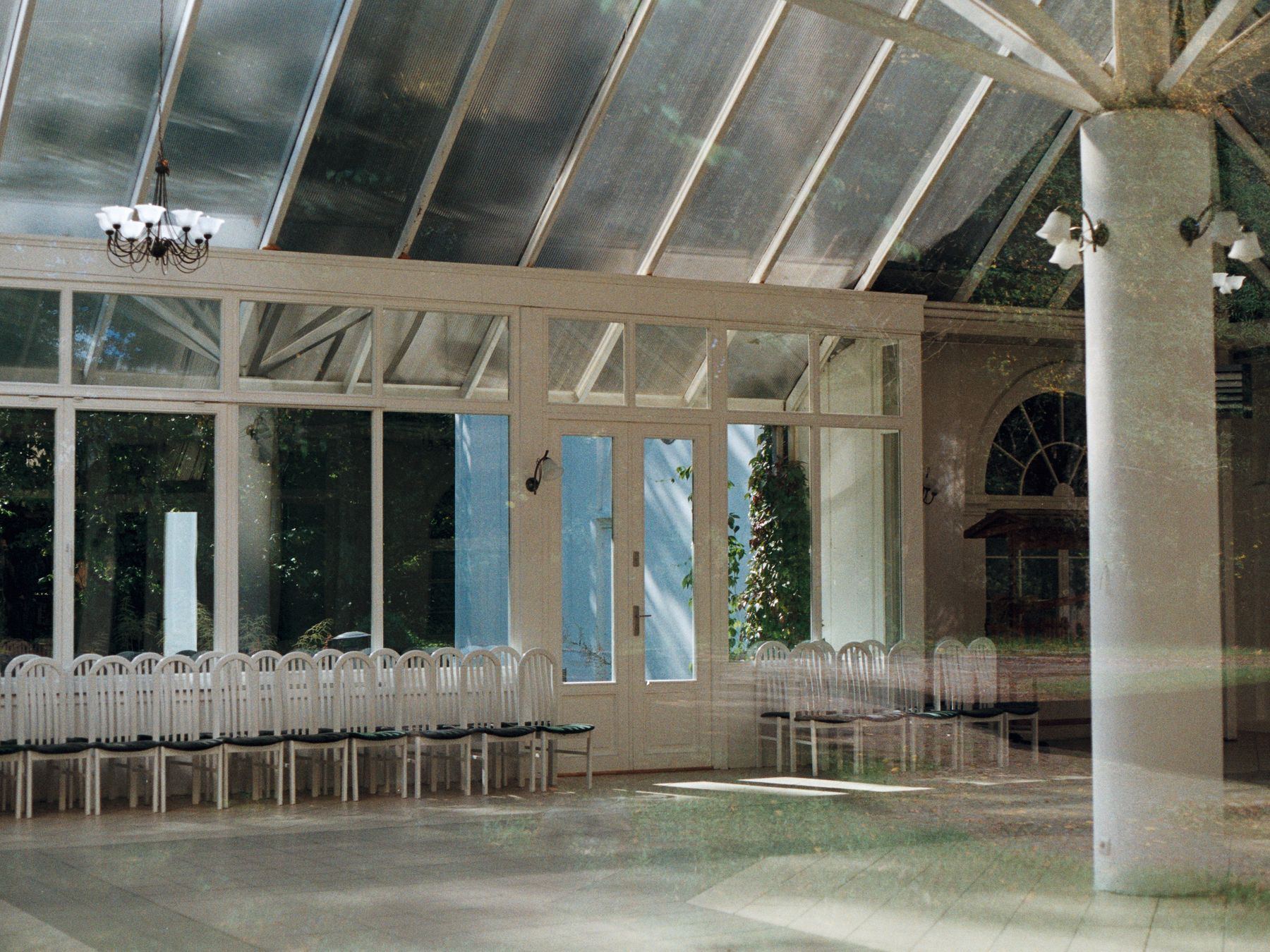
A replacement glass conservatory roof usually starts as a reaction to polycarbonate. The old multi-wall sheets yellow, rattle in the wind and let through so much solar gain that the room becomes unusable by mid-July. Swapping to glass panels changes the look immediately. Light comes through cleanly rather than diffusing into a flat glare.
Modern units are double glazed and sealed, so they hold warmth better than the thin plastic they replace. That matters across the United Kingdom, where winters are long enough to make insulation a real concern even in a room flooded with daylight. The glass sits in the same aluminium or uPVC bars if the existing frames are sound, which keeps the shape of the roof intact.
Choosing a glass roof instead of polycarbonate does not turn the space into an extension. It remains a conservatory, subject to the same ventilation rules and heating limits. But it removes the worst of the problems that push people toward a full warm roof conversion before they have considered the simpler option.
Self-cleaning coatings and what they actually do
The phrase self-cleaning glass sounds like a promise of zero maintenance. What it means in practice is a microscopic coating on the outer pane that reacts with daylight to break down organic dirt. Rain then sheets off the surface rather than beading, carrying the loosened grime with it and leaving fewer streaks behind.
In most parts of the United Kingdom, rainfall is frequent enough to keep the coating working. A lean-to roof facing south will stay clearer for longer than a shaded Victorian facet tucked under trees. But pollen in spring, bird droppings and dust from nearby roads still settle. The coating reduces how often someone needs to get up there with a ladder, not whether they ever will.
When a specialist prices the job, the self cleaning glass roof cost appears as a line item against the glazing itself. The coating adds to the unit price compared with plain double glazed panels. For many homes the extra spend makes sense because accessing a high pitch safely requires equipment most people do not own.
Solar control glazing and summer heat
Solar control glazing for conservatory roofs uses a metallic or ceramic layer within the sealed unit to reflect a portion of the sun's energy before it enters the room. The visible light still passes through, so the space stays bright, but the infrared radiation that causes overheating is reduced.
This matters when comparing glass or tiled conservatory roof options. A solid tiled roof blocks heat entirely because it blocks light. Solar control glass moderates heat while keeping the sky visible. In July, a room with high-performance solar units will run noticeably cooler than one with standard clear glazing, though it will still warm up more than a fully insulated ceiling.
The question of how much more solar control glass costs than plain double glazed units depends on the specification. Higher shading coefficients and lower U-values add to the manufacturing price. A specialist will calculate the total based on the roof area, the pitch and the orientation. South-facing rooms in southern England typically benefit most, while a north-facing lean-to in Scotland may need less solar rejection and more thermal retention.
Weight, frames and structural limits
Glass is heavier than polycarbonate. Before any work begins, a specialist must assess whether the existing frames and foundations can take the additional load. Many uPVC conservatories built in the last twenty years were designed with glass in mind, since manufacturers offered both options from the same profile system. Older timber or lightweight aluminium structures might not cope.
If the frames are adequate, the old polycarbonate sheets come out and the new sealed units drop into the same bars. The ridge, eaves beam and rafters stay in place. If the structure cannot support the weight, the whole roof comes off. That opens the door to a reinforced frame or a different material entirely, such as insulated panel roofing, which weighs far less than glass.
An inspection settles this. Measurements of the span, the rafter centres and the condition of the wall plates tell the specialist what is safe. Guessing risks sagging bars or failed seals within a few seasons.
Rain noise and living with a glass roof
Polycarbonate drums loudly in heavy rain because the thin walls vibrate. Double glazed units dampen that sound significantly. The two panes and the gas-filled cavity between them absorb impact energy that would otherwise transfer into the room below.
A glass roof will still produce some noise during a downpour. It is quieter than plastic, but not silent. People who find even moderate rain distracting sometimes prefer a solid tiled roof or an insulated panel system, both of which deaden sound almost completely. The trade-off is natural light.
Condensation is another factor. Modern sealed units reduce the cold bridging that causes moisture to form on the inside face, but they do not eliminate it. Ventilation, heating habits and the amount of moisture generated in the adjoining house all play a part. A specialist can advise on trickle vents or opening roof lights to manage airflow without losing the thermal benefit of the new glazing.
Building regulations and planning permission
Replacing a polycarbonate or glass roof with new glass units of a similar weight generally falls outside building regulations approval in England and Wales, provided the conservatory meets the usual exemptions: separated from the house by external-quality doors, independently heated and under thirty square metres.
If the new glazing is substantially heavier, or if the frames need reinforcing, the local authority may treat the work as a structural alteration. Scotland and Northern Ireland operate under separate rules, and a specialist familiar with the relevant nation will confirm what applies before any materials are ordered.
Planning permission rarely affects a like-for-like swap. Changing from a translucent roof to a solid one sometimes triggers questions about permitted development rights, particularly near boundaries. Staying with glass usually avoids that conversation entirely. The specialist handling the installation will know the local thresholds and can flag anything unusual during the survey.
What happens after you enquire
Sending details about the home starts a process. A specialist firm reviews the dimensions, the roof shape and the type of glazing requested. They arrange a visit to measure accurately, check the condition of the existing frames and confirm the structural calculations.
During that visit, the fitter can talk through options: tinted or clear solar control, self-cleaning coatings, opening vents, and whether the guttering and fascia need attention at the same time. The quote reflects the specific configuration, access requirements and any scaffolding needed.
The room will be open to the weather while the old panels come off and the new glass goes on. For a straightforward swap on a lean-to or small Victorian, that exposure typically lasts hours rather than days. Specialists schedule the removal and fitting consecutively, using temporary covers if rain threatens. Understanding the timeline helps plan around furniture and flooring in the room below.
Signs your conservatory roof needs replacing
Polycarbonate ages visibly. When the sheets start to fail, the room underneath shows it first through temperature swings, discolouration and water marks that no amount of cleaning shifts.
- 1
Yellow or brittle panels
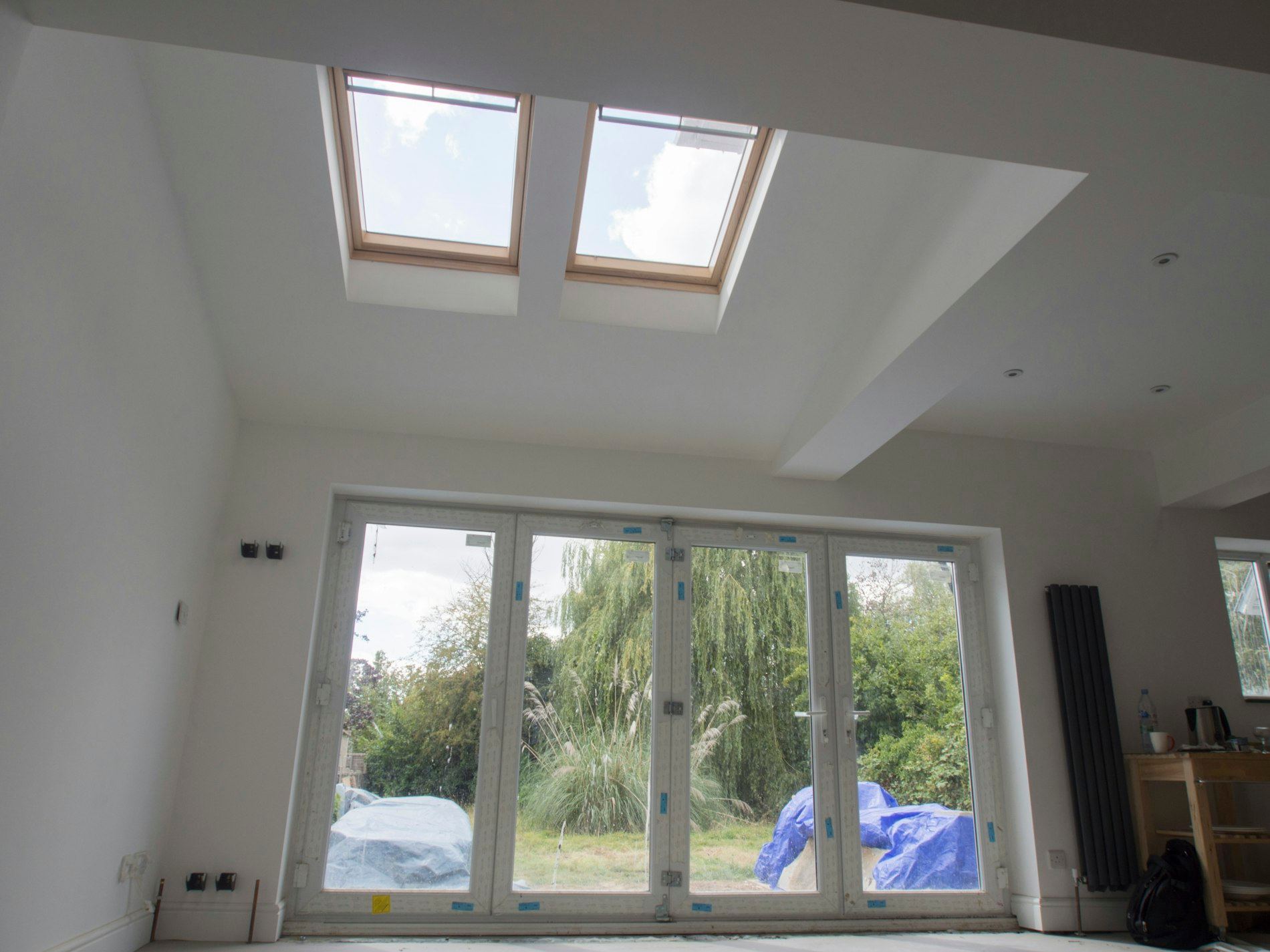
The plastic has degraded from UV exposure. It lets in less light and insulates poorly, making the room colder in winter and hotter in summer.
- 2
Green algae between layers
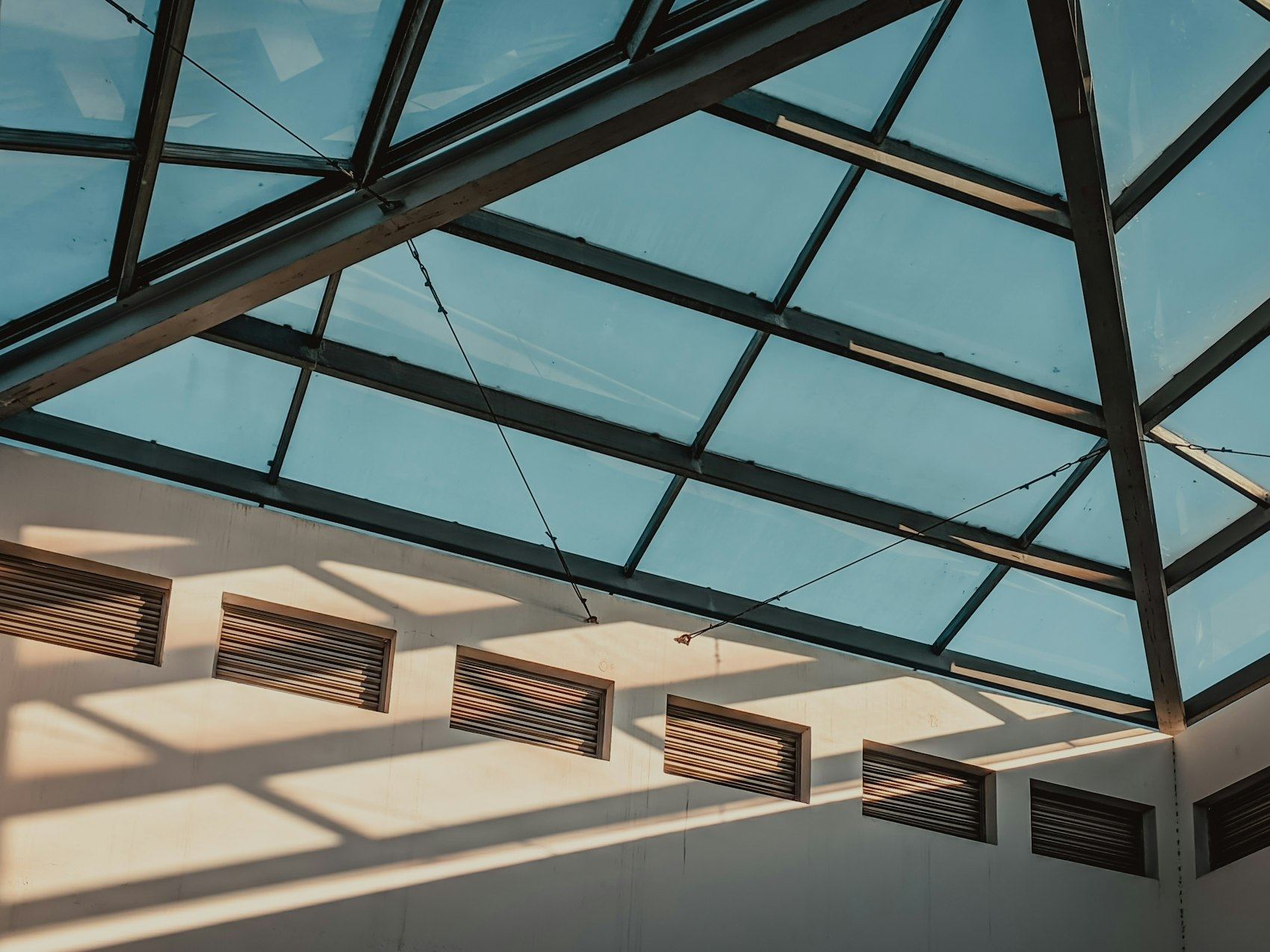
Moisture has breached the flutes. The trapped water breeds algae that cannot be wiped away and indicates the seal has failed.
- 3
Loud drumming in rain
Thin or warped sheets vibrate freely. The noise makes conversation difficult and suggests the panels have lost their rigidity.
- 4
Water pooling at the bar joints
The rubber gaskets have shrunk or perished. Water tracks along the rafters and drips onto the window sills below.
Working out how soon to act
The signs above point to different stages of wear. Only a physical inspection confirms whether the frames are sound enough for new glazing or whether the problem runs deeper than the panels themselves.
-
Water dripping inside during every shower of rainToday
Failed seals or cracked sheets are letting water bypass the drainage channels and reach the interior.
What to do Describe the leak location when you enquire so the right person attends.
-
Panels bowing visibly between the raftersSoon
The polycarbonate has lost structural stiffness, often from prolonged UV damage or water ingress in the flutes.
What to do Avoid leaning on the affected area and arrange a measurement visit.
-
Room feels noticeably colder than last winterSoon
Degraded sheets or blown seals have dropped the thermal performance well below its original rating.
What to do Check whether draughts come from the roof bars or the side frames.
-
Surface scratches catching the lightWorth watching
Cosmetic wear that does not yet affect insulation but will worsen as the coating erodes further.
What to do Monitor through the seasons and note if condensation increases.
-
Faint green lines inside the multi-wall sheetsWorth watching
Early moisture ingress. Algae growth will accelerate once spores enter the open flutes.
What to do Keep gutters clear so standing water does not sit against the eaves.
None of this diagnoses a specific home. If something has changed suddenly or is getting worse fast, ask a specialist now rather than waiting.
Get a price for new glass glazing
Send the details of the conservatory and a specialist firm will review them, visit to measure and provide a written quotation. There is no obligation to proceed.
- No obligation
- Specialist firms only
- Written quotations