Guides and articles
Conservatory roof replacement guides for UK homeowners
Find out what a new roof means for the temperature, light and noise in your room. Read how solid tiles, insulated panels and replacement glass compare, what building regulations require, and what happens on the day the fitters arrive.
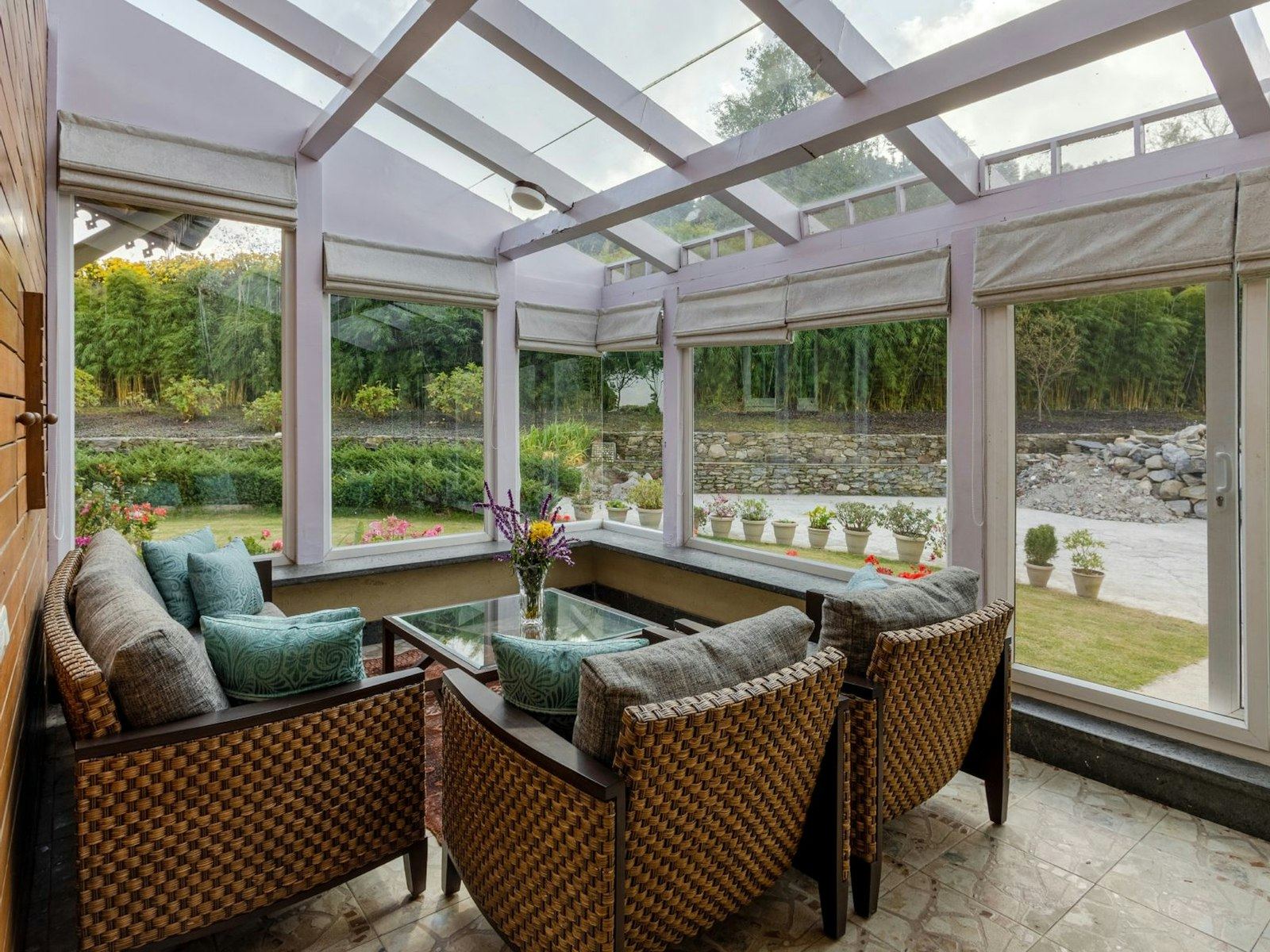
Choosing the right material for your home
A conservatory roof determines how the room feels in every season. The main choices are solid tiles, insulated panels and replacement glass, and each one changes the space differently.
Solid tiles block direct sunlight but hold heat inside during winter. Insulated panels offer a middle ground, keeping warmth in while letting some light through if fitted with glazed sections. Replacement glass lets the most light in but needs specific coatings to stop the room overheating in summer.
Read how these materials compare on cost, weight and thermal performance before deciding which suits the shape of your home. A lean-to frame carries different loads than a Victorian one, so the structure matters as much as the finish.
The guides here set out what each option involves, from the framing underneath to the plastered ceiling you see from inside. You can also find out whether roof windows make sense if you choose tiles and still want natural light over a dining table or reading chair.
Dealing with heat, cold and rain noise
Most people start looking at a new roof because the room has become uncomfortable. Glass and polycarbonate let solar gain build up until the space is too hot to sit in, then lose that heat rapidly once the sun drops.
Rain noise is another common reason to look for an answer. Water hitting thin sheets creates a sound loud enough to drown out conversation. A heavier, insulated covering absorbs that impact.
Condensation forms when warm indoor air meets a cold surface. If you see water pooling on the frames or dripping from the glazing bars, the temperature difference between the room and the outside is too extreme for the current material to handle.
Each problem has a physical cause tied to the roof above you. The articles here describe why the room behaves the way it does and what changes when a specialist firm fits a warmer, thicker alternative. Heating the space afterwards becomes simpler too, since the insulation holds whatever warmth you put in.
Rules, permissions and structural limits
Replacing a conservatory roof sometimes falls under permitted development, but not always. Building regulations apply when the new covering changes the thermal envelope of the house or adds significant weight to the existing frames.
Planning permission depends on how large the structure is, where it sits relative to the boundary and whether the property is listed or in a conservation area. A separate guide covers those thresholds so you know what applies before any work starts.
The existing frames must support whatever goes on top. Polycarbonate sheets weigh very little compared to concrete tiles. A specialist will check the load-bearing capacity of the uprights and the base plate before confirming which materials are safe to use.
Understanding these rules stops a project stalling halfway through. The writing here explains what inspectors look for, when a certificate is required and how the process differs across England, Scotland and Wales.
What happens on the day the work takes place
Knowing the sequence of a roof replacement removes a lot of uncertainty. The job usually starts with clearing the room. Furniture, rugs and anything fragile needs to move out so the fitters have clear access to the frames.
The old panels or glazing come off first, followed by any damaged timber or aluminium bars. New structural supports go in where needed, then the chosen covering is fixed into place. Flashing seals the join between the conservatory and the main house wall.
Inside, a plastered ceiling often follows the structural work. This hides the insulation and gives the room a finished look closer to a standard extension. Lighting points can be wired in at this stage.
Guttering and fascia boards are replaced last, directing rainwater away from the new edge details. The whole process typically takes a few days depending on the size of the structure. A step-by-step account is available so you know exactly what to expect from arrival to final cleanup.
Ask about a new roof for your home
Send your details and a specialist firm will get back to you with advice on what suits your conservatory. There is no obligation to accept a price or book any work.
- No obligation
- Free to ask
- Specialist advice