Problem guide
Why condensation forms on a conservatory roof
Find out why water gathers on glazing bars, how to tell surface moisture from a leak, and what ventilation detail matters before anyone boards over the inside of your conservatory roof.
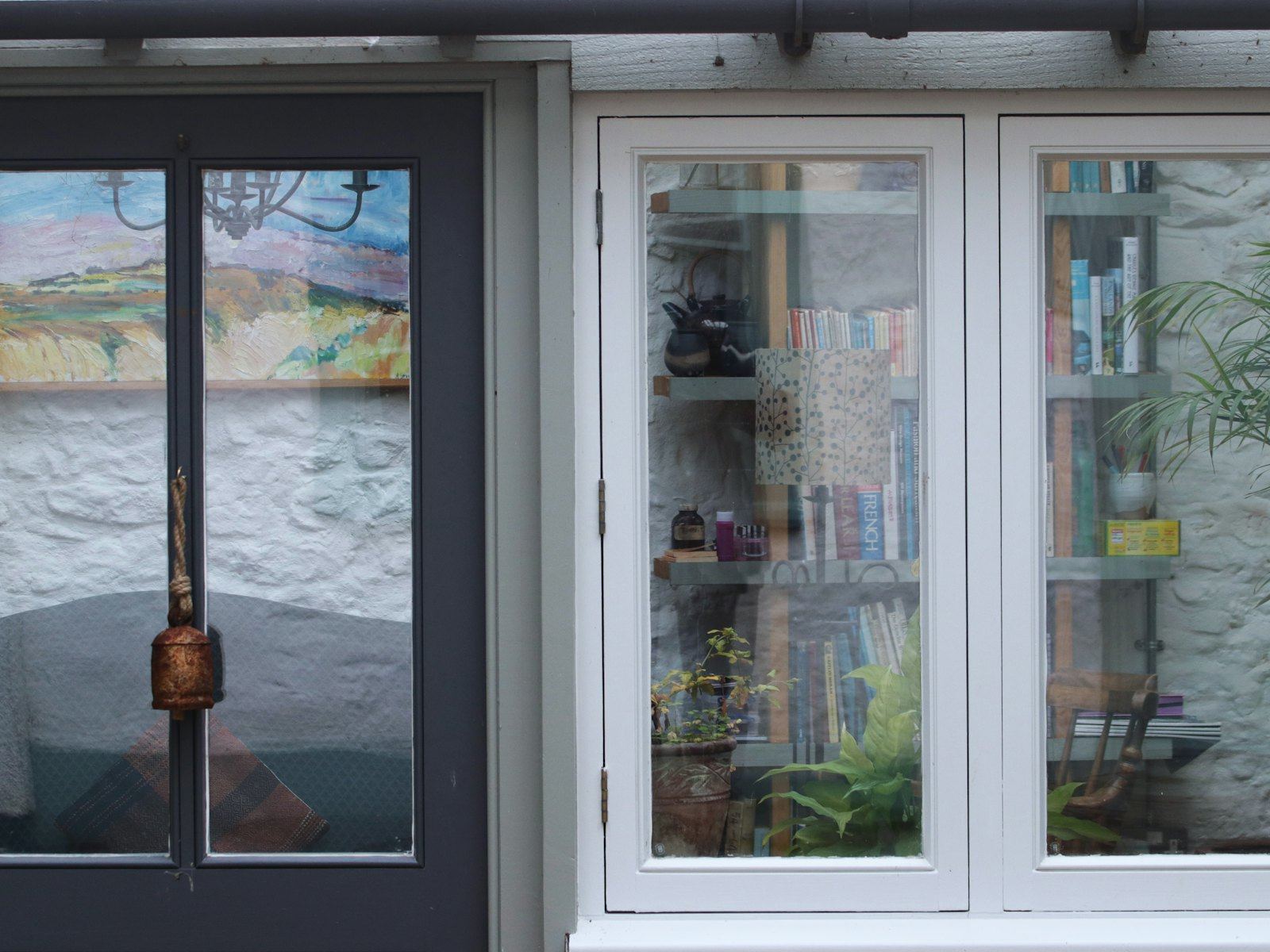
Why conservatory roof condensation forms
Moisture in the air turns to water when it hits a cold surface. In a glass or polycarbonate conservatory, the roof panels and aluminium glazing bars cool rapidly after sunset, especially during a British winter. Warm air from the rest of the house drifts into the room, carries that moisture with it, and deposits it as conservatory roof condensation on the coldest parts first.
This is surface condensation. It beads on the underside of the glass or pools along the bar channels until there is enough weight to pull it down. You might notice water dripping from conservatory roof bars onto furniture or the floor below. On still nights, with no heating running in the room, the temperature difference between the indoor air and the panel surface is at its widest, so the problem peaks between late autumn and early spring.
Polycarbonate multiwall sheets behave slightly differently. Moisture can also gather between the flutes if the end caps have failed, which people sometimes describe as condensation between conservatory roof panels. That trapped water is harder to dry out because it sits inside the sheet rather than on its face.
Telling condensation from an actual roof leak
Water arriving on the floor does not always mean the roof has failed. A leak tends to appear during or immediately after rain, often tracking down a specific joint, flashing or screw hole. Condensation follows a different pattern. It shows up on clear mornings after a cold night, even when no rain has fallen, and it spreads across several bars or panels rather than concentrating in one spot.
If you are unsure which one you are looking at, a specialist can check the seals and run water over the outside while someone watches the inside. That test separates a failing gasket from simple surface moisture. The distinction matters because the fix for each is entirely different. Patching a seal will not stop water that forms because the glass is too cold, and adding ventilation will not mend a split rubber gasket letting rain through.
A damp smell in conservatory spaces often points to condensation that has been sitting long enough to encourage mould growth on blinds, soft furnishings or painted plasterwork. That odour usually fades once the room dries out properly, whereas a persistent musty note after dry weather suggests water has been entering from outside for some time.
The risks of boarding over the inside without care
Fitting insulation directly against the underside of a cold roof sounds like a straightforward way to warm the room up. But insulating conservatory roof from inside risks trapping moisture if the build-up lacks the right layers. When warm, moist air passes through the new ceiling and meets the cold original panel behind it, interstitial condensation forms in the gap. You cannot see it, but the timber battens and plasterboard stay wet.
Over weeks, that hidden damp rots the wood and feeds black mould. The visible ceiling might look fine while the structure above it deteriorates. A proper warm roof build-up uses a vapour control layer on the warm side to stop moisture migrating outward, and a ventilation gap above the insulation to let any stray damp escape.
Before anyone fixes boards to the existing frame, a specialist needs to calculate whether the current rafters can take the extra weight and whether the proposed layers manage moisture correctly. Skipping this step means solving the cold problem while creating a worse one hidden out of sight.
Ventilation detail in a new roof build-up
Any new insulated ceiling or full roof replacement must include planned airflow. Building Regulations in the United Kingdom set out minimum ventilation requirements for pitched roofs, and conservatories fall under these rules when the work changes the thermal envelope. A specialist will design a path for air to enter at the eaves and exit near the ridge, keeping the space above the insulation dry.
Without that continuous flow, moisture generated by cooking, drying clothes or simply breathing accumulates inside the roof void. Over time it saturates the insulation, reducing its performance and eventually causing the plasterboard to sag or stain. The size of the ventilation gap depends on the roof pitch and the type of covering used.
Solid tiled conversions generally need a larger air gap than lightweight insulated panels because the tiles themselves do not breathe. Glass replacements with solar-control coatings change the thermal dynamics again. Each option requires its own calculation, which is why a generic fix rarely performs well across different conservatory shapes and sizes.
When mould means the roof needs replacing
Surface mould on a painted ceiling or plastered reveal can usually be cleaned with a fungicidal wash, provided the underlying cause is addressed. If the mould returns within a few weeks, the surface stays cold enough to attract moisture every night, and cleaning alone will not keep pace with the problem.
Black spots spreading across the inside of polycarbonate flutes indicate water has entered the sheet itself. Once inside, those chambers cannot be dried out effectively, and the discolouration is permanent. At that point, replacing the affected panels or the entire roof is the only way to remove the growth and restore light transmission.
Timber frames showing soft patches or dark staining around joints suggest prolonged wetting. A specialist can probe the wood to determine whether it retains structural strength or needs cutting back and repairing. Leaving decayed timber in place while simply painting over it allows the rot to spread further into the wall plate or main house structure.
Signs your conservatory roof is gathering moisture
Condensation leaves marks before it causes serious damage. These are the things you might notice on a cold morning when the room has been closed up overnight.
- 1
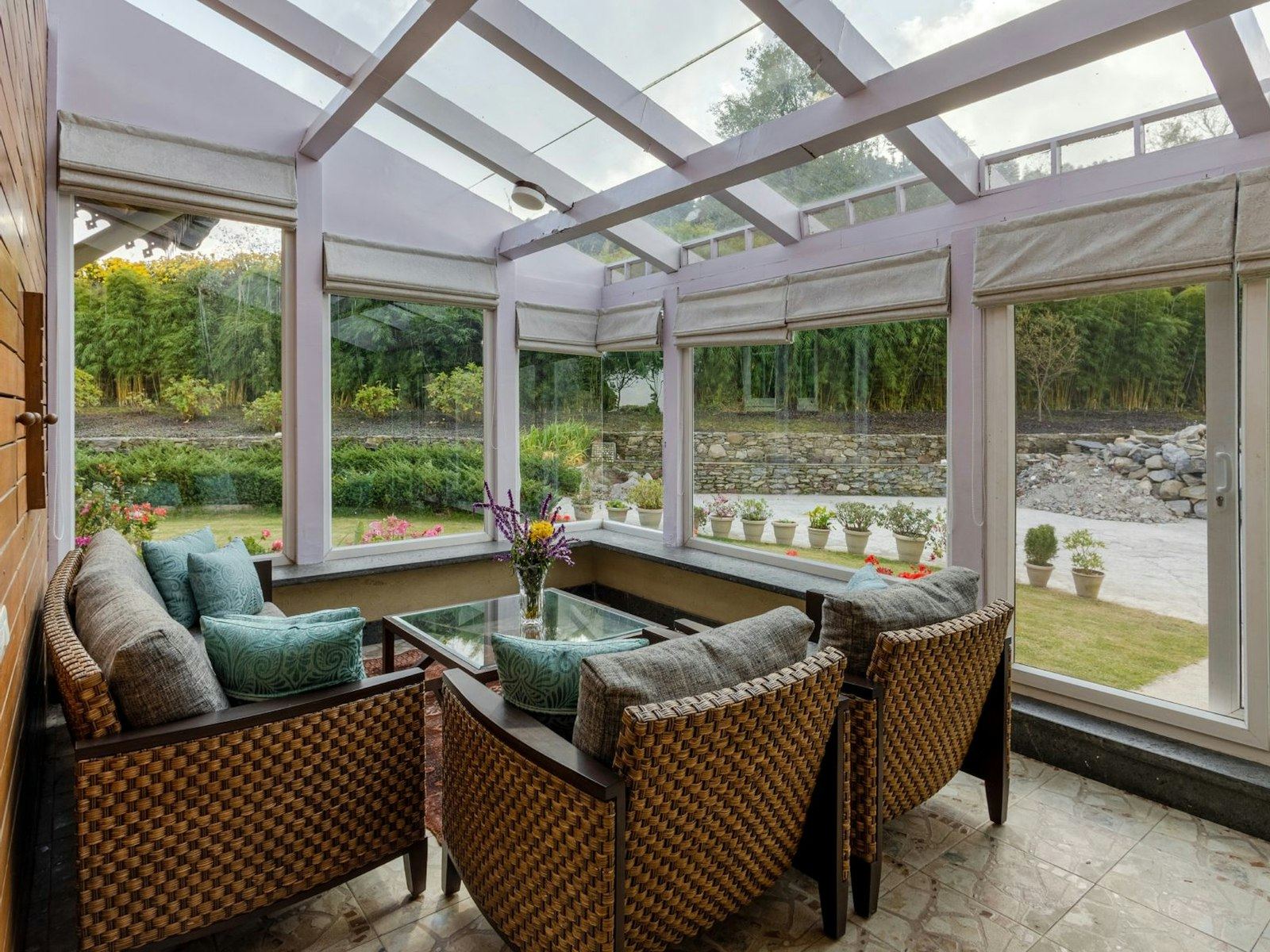
Water on glazing bars
Droplets forming along the metal channels underneath the glass, sometimes running down to pool on the window sill or floor below.
- 2
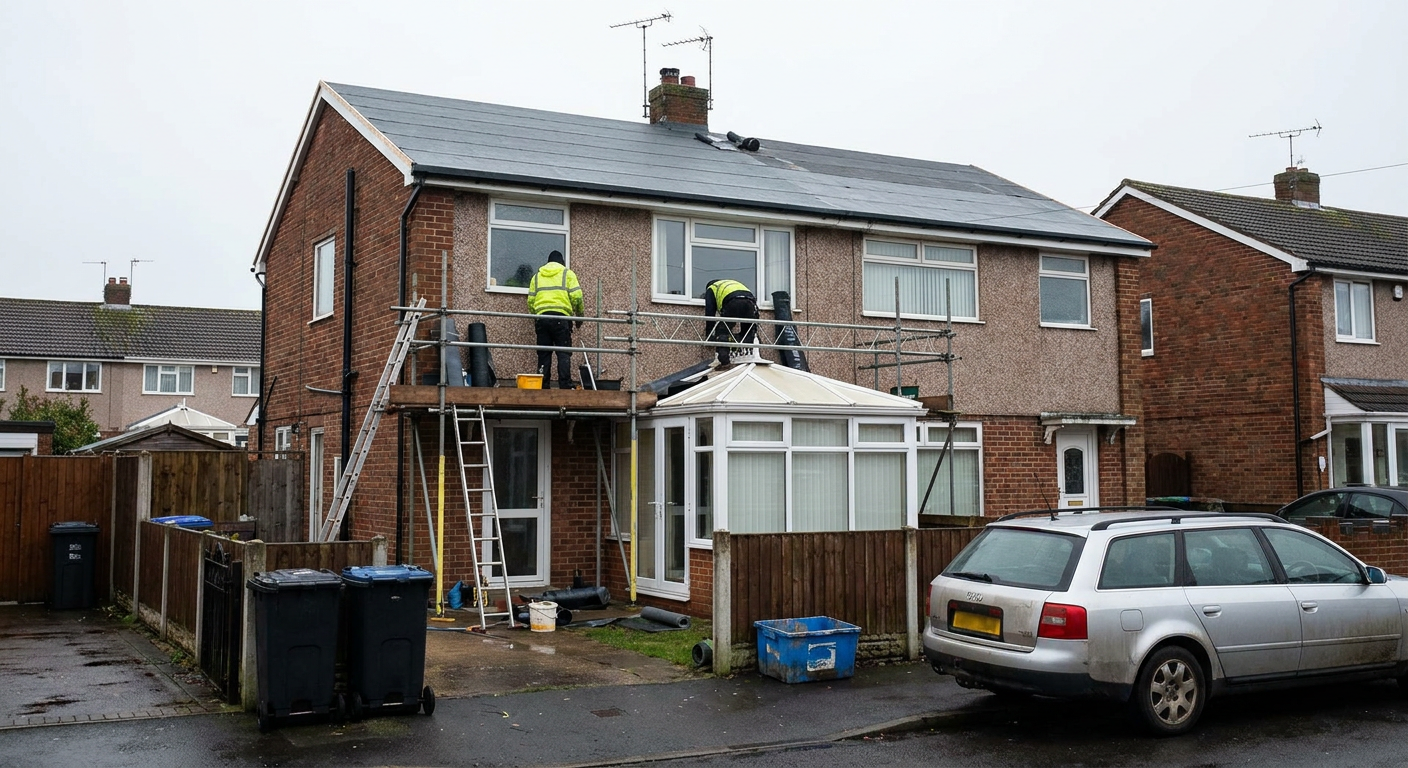
Cloudy polycarbonate panels
Multiwall sheets that look milky or show dark streaks between the flutes, suggesting moisture has entered the internal chambers.
- 3
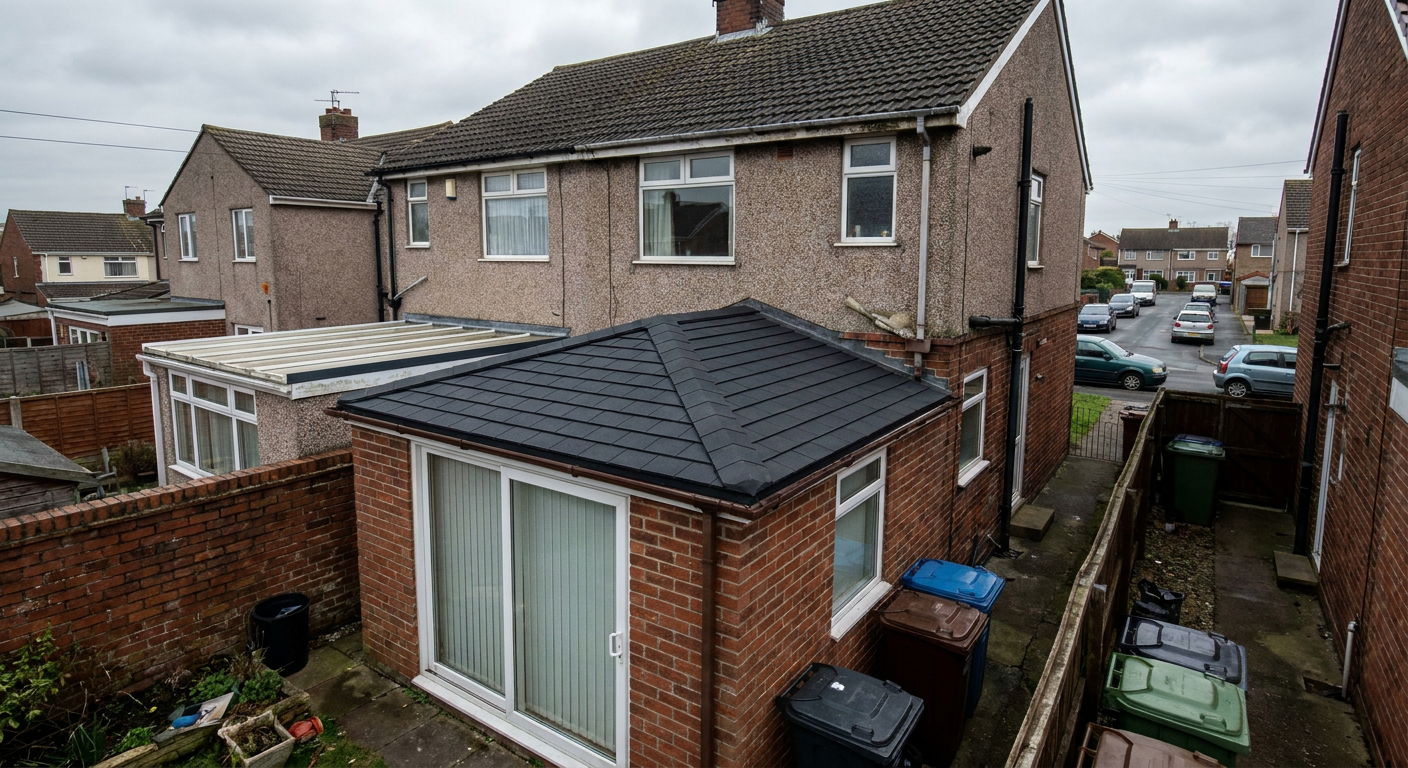
Dark patches on plaster
Grey or black spots appearing on the ceiling or walls where the conservatory meets the house, often starting in corners.
- 4
Persistent musty smell
A damp odour that lingers even after airing the room, pointing to hidden moisture soaking into fabrics or timber.
Questions about conservatory roof moisture
Answers to common concerns. Send details of your home for anything not covered here. Ask about your roof.
- Why is water dripping from the glazing bars in my conservatory roof?
- Warm indoor air meets the cold aluminium bars and releases its moisture as water droplets. This happens most on clear, cold nights when the metal loses heat rapidly. Improving ventilation or upgrading to a thermally broken roof system reduces the temperature difference that causes it.
- Is this condensation or is the roof actually leaking?
- Condensation appears on dry, cold mornings across multiple bars. Leaks follow rain and usually track from one specific joint or damaged seal. A specialist can hose-test the outside while watching the inside to confirm which problem you have before any repair begins.
- Will boarding over the inside of the roof make the condensation worse?
- It can, if the build-up lacks a vapour barrier and ventilation gap. Trapping warm moist air against the cold original panels creates hidden interstitial condensation that rots timber and ruins plasterboard. A specialist should survey the structure and specify the correct layers first.
- What ventilation does a new roof build-up need to stop damp forming?
- Most solid conversions require continuous eaves and ridge vents to maintain airflow above the insulation. The exact gap size depends on the roof pitch and covering. A specialist calculates this to meet UK Building Regulations and prevent moisture accumulating inside the void.
- Can mould on the conservatory ceiling be cleaned or does the roof need replacing?
- Surface mould on paint or plaster washes off with fungicidal treatment, but it returns if the surface stays cold. Mould inside polycarbonate flutes cannot be cleaned and requires panel replacement. A specialist assesses whether cleaning or a new roof is the lasting solution.
- Should someone survey the roof before any insulation goes in?
- Yes. A specialist checks the frame strength, measures the existing rafter depth and identifies any failed seals. Adding insulation without this assessment risks overloading weak bars or trapping moisture in a structure that already has ventilation faults.
- How long does it take to put right and will I need to clear the room?
- A full roof replacement typically takes two to three days. You will need to remove furniture and plants from the conservatory so the specialists have safe access. They usually lay protective sheeting in adjoining rooms to limit dust tracking through your home.
- Does my insurance cover damage to flooring or furniture from roof condensation?
- Most UK home insurance policies exclude gradual damage caused by condensation, treating it as a maintenance issue rather than sudden accidental damage. Check your specific policy wording. Insurance more commonly covers sudden leaks from storm damage to seals or flashings.
Tell us about the moisture in your conservatory
Describe what you see and when it happens. The details go to a specialist firm who can advise whether the roof needs ventilation work or a full replacement. There is no obligation to proceed.
- No obligation to buy
- Specialists handle the work
- Free initial advice