Preparation guide
Clearing your conservatory before the roof work starts
Find out what needs moving out of the room before a specialist firm replaces the roof. This covers furniture, plants, blinds, lights and power sockets so you know exactly how much space to clear.
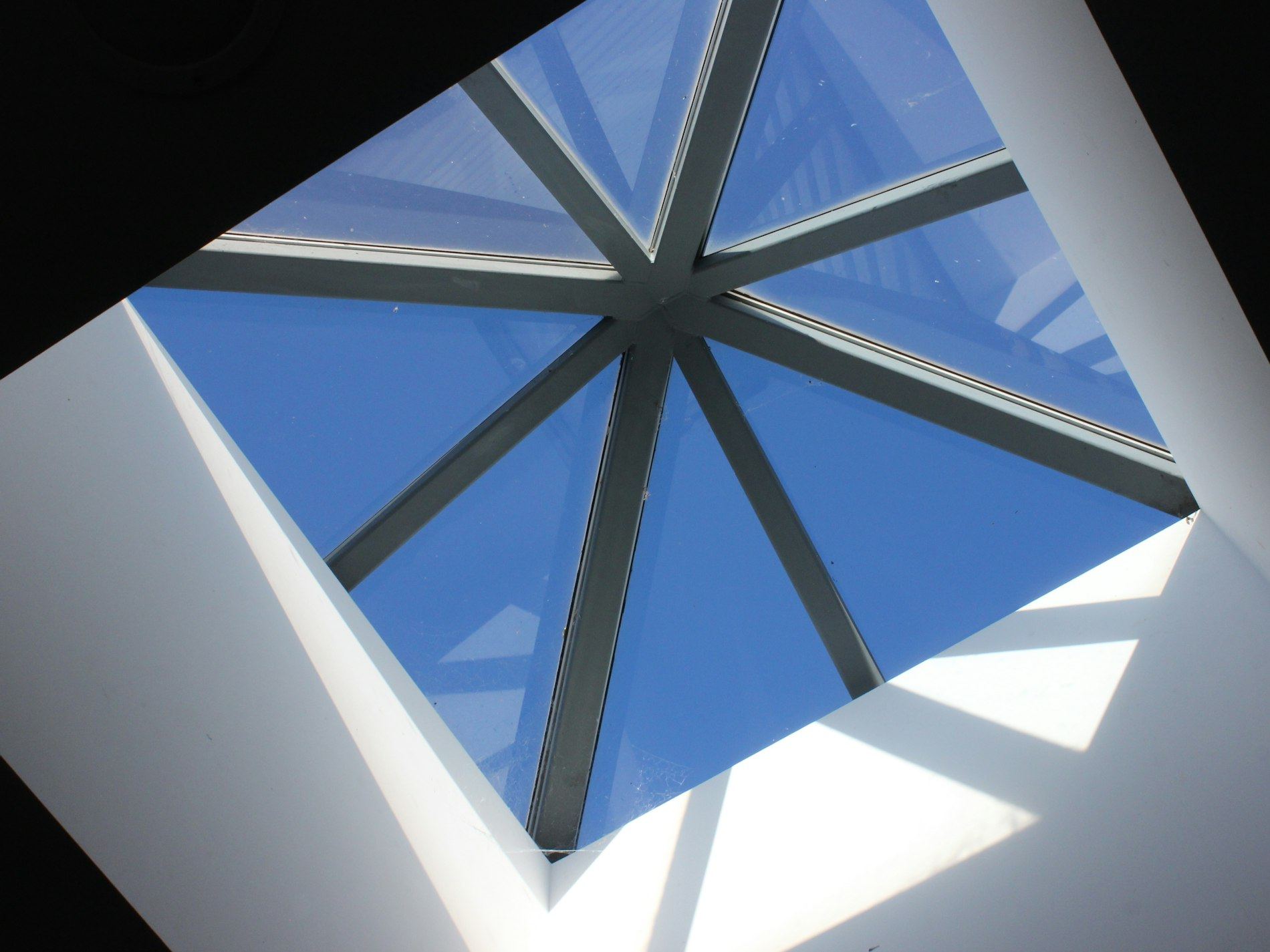
Moving furniture and belongings out of the way
The fitters need clear access to every part of the ceiling structure. Anything that sits under the roof has to go into another room or outside while the work happens.
Start with the large pieces. Sofas, dining tables and bookcases take up the floor space the installers stand on. Carry them into the house if you have room, or cover them with dust sheets in the garden when the weather is dry.
Smaller items matter too. Books, cushions, ornaments and rugs collect plaster dust very quickly. Box them up and stack them somewhere sealed. A garage or a spare bedroom works well.
Leave yourself enough time. Most people underestimate how much a conservatory holds because they use it as a general sitting area. Go through it a few days before the scheduled date rather than the night before. That gives you a chance to find space for things you forgot about.
Protecting plants from cold and dust
Plants are usually the first thing people forget about. They cannot stay in the room while the old panels come off. Dust settles on leaves and blocks light, and open roof sections expose everything to sudden temperature drops.
Move pots into the house. Pick a spot away from radiators, since the change from a cool glass room to a heated hallway can shock tropical varieties. A bathroom or utility room often has the right humidity.
If you have climbing plants trained along frames or wires near the ceiling, untie them carefully. The fitters will be working around those fixings and may need to remove brackets. Lay trailing stems flat in a bucket of water if they are too long to carry easily.
Ask the specialist firm how long the room will be open to the air. Some jobs finish in a day; others take longer depending on the roof type. Keep plants inside until the new structure is sealed and the dust has been cleared away.
Taking down blinds and curtains safely
Window dressings sit directly below the roof line. Fitters removing old glazing bars or tiles will bump into anything hanging there, so blinds and curtains need to come down before they arrive.
Roller blinds usually unclip from their brackets. Pull them out gently so you do not bend the tube. Venetian and vertical blinds have more parts: note which slats belong where, or take a photograph before you dismantle them.
Curtain poles fixed to the wall might stay put, but fabric should come off. Dust falls straight down from the ceiling work, and heavy curtains trap it. Wash or dry clean them while the installation is underway so they go back onto clean windows.
Some blinds are screwed into the roof frame itself rather than the wall. These definitely have to come off. Put all the screws and brackets in a labelled bag so nothing goes missing. The specialist firm will tell you if any fittings interfere with the new structure.
Disconnecting lights and electrical fittings
Ceiling lights hang from the exact place where the new roof panels or tiles will be fixed. They must be disconnected and removed before any structural work starts.
Do not pull wires out yourself unless you are confident with basic electrics. Switch the circuit off at the consumer unit first. If the pendant light is wired directly into the ceiling rose, an electrician should cap the cables safely. Many specialist firms include this step, but check beforehand so there are no surprises on the morning.
Wall-mounted lights lower down might be fine to leave in place. Ask whether the fitters need clearance around them. Sconces close to the top of the frame could get in the way of new insulation boards.
Power sockets at floor level rarely cause problems, but extension leads running across the room do. Unplug everything and clear the floor completely. Trailing cables trip people carrying heavy materials, and the room needs to be safe for everyone working in it.
Giving the fitters clear access to the room
Once the inside is empty, think about how the installers reach the conservatory. They will be carrying long beams, insulation rolls and heavy tiles through your home or garden.
Clear a path from the front door or side gate to the conservatory entrance. Move shoe racks, coat stands and potted plants out of hallways. If the route goes through the garden, trim overhanging branches and shift patio furniture aside.
Lock away pets. Even friendly dogs get underfoot when people are carrying loads overhead. Put them in a closed room with food and water, or arrange for someone to look after them for the day.
Leave keys or codes where agreed so the specialist firm can start on time. Most crews arrive early to make the most of daylight. The smoother the access, the faster the old roof comes off and the sooner your home is weathertight again.
Tell us about your conservatory roof
Send the details of your home and a specialist firm will review them. There is no obligation to accept a quote or proceed with any work.
- No commitment required
- Details stay private
- Free to enquire