Journal guide
Roof windows in a tiled conservatory roof: keeping light
A solid roof does not have to leave your conservatory dark. Find out where specialist fitters place roof windows to bring daylight back into the room without letting the heat escape again.
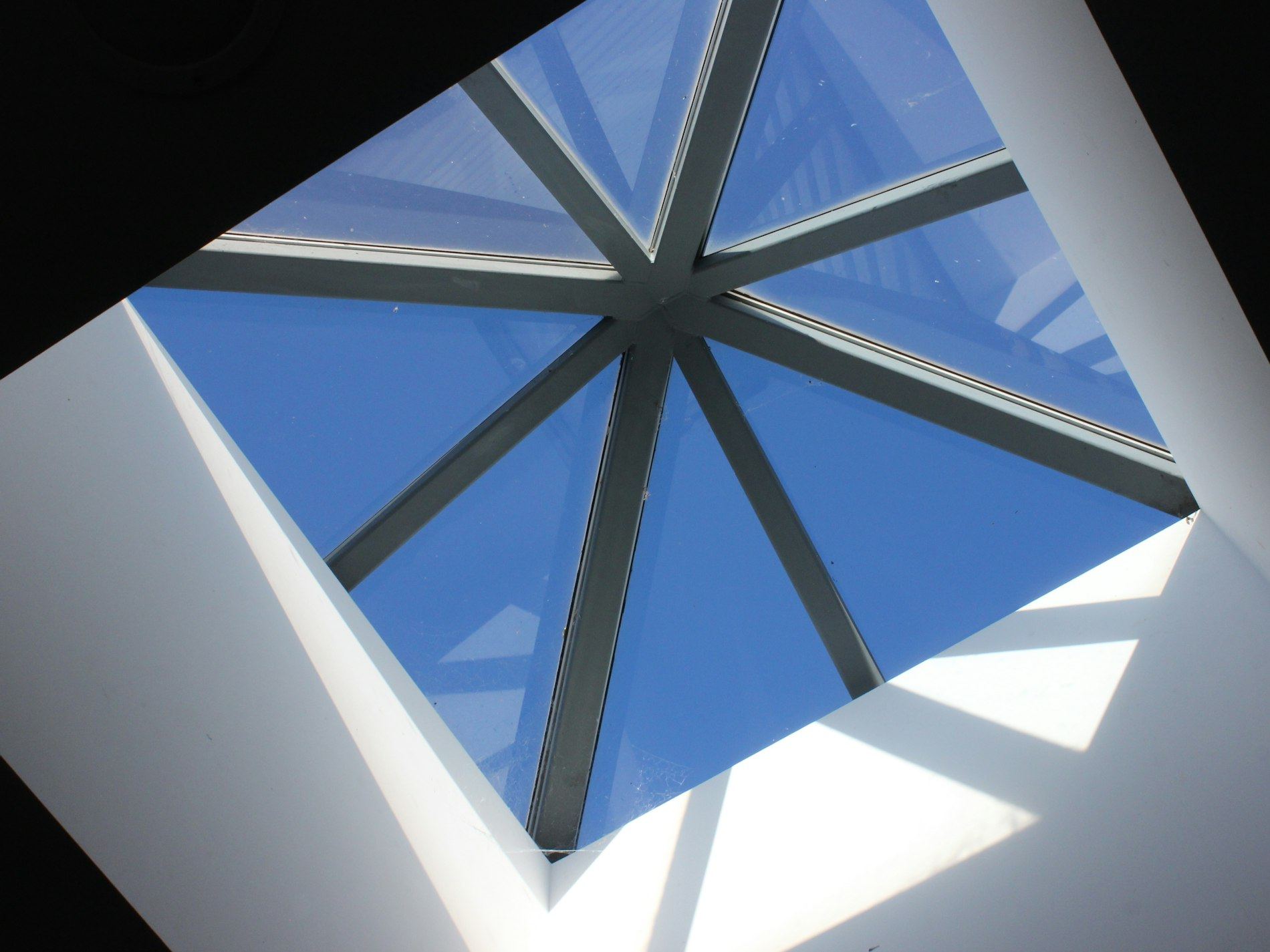
Why light matters after a roof replacement
Replacing a glass or polycarbonate roof with tiles changes how a conservatory feels. The draughts stop, the rain noise fades, and the room holds its temperature. But the ceiling that used to be transparent is now solid, so the daylight has to find another way in.
Most people worry about this before they agree to any work. A conservatory sits against the house specifically to catch the sun, and blocking it out defeats part of the reason it was built. Specialist firms who fit warm roofs know this tension well. They plan for natural light from the start rather than treating it as an afterthought.
A plastered ceiling with no openings leaves the room dependent on the side windows and doors. That works if the space is small or faces south, but in many UK gardens the surrounding fences and trees cut the light long before the roof does. Adding glazing into the new roof structure solves the problem at the point where it originates.
How roof windows fit into a solid tiled roof
A roof window is a sealed glazed unit set directly into the slope of the tiles. It is not a skylight sitting on top of the surface. The frame sits flush, and the tiling continues around it so water runs off exactly as it does everywhere else on the roof.
Specialist fitters build a timber upstand around the opening before the insulation and tiles go on. This keeps the window above the tile line so rain cannot pool against the seal. The glazing itself is usually double or triple glazed, matching the thermal performance of the rest of the warm roof conversion.
Because the window is part of the roof structure, building regulations still apply. The specialist firm handles the structural calculations and ensures the frame can carry the load of the surrounding tiles. You do not need to arrange separate approval for the window; it falls under the same rules as the roof replacement itself.
Where to place them for the best effect
Position matters more than size. A single large roof window in the wrong spot can leave half the room dim while glaring onto one chair. Fitters usually look at which direction the conservatory faces and where the house wall casts its shadow during the day.
For a south-facing room, placing the window near the ridge (the highest point) catches light for most of the day without overheating the floor below. In a north-facing conservatory, setting the window lower down the slope pulls in the softer, more even light that comes from that direction.
If the room is long and narrow, two smaller windows spaced along the slope spread the light more evenly than one large pane at either end. The goal is to avoid bright patches and deep shadows, so the whole space feels usable rather than just the area directly beneath the glass.
Managing heat and glare through the glass
Letting light back in raises a familiar concern: will the conservatory get too hot in summer? Modern roof windows use solar-control glass that reflects a portion of the infrared radiation while allowing visible light through. The room stays bright without turning into a greenhouse.
Some units also include a tint or a low-emissivity coating. These reduce glare on screens and prevent the direct beam of sunlight from bleaching furniture fabrics over time. The specialist firm fitting the roof will explain which glass specification suits the orientation of your home.
Ventilation is another factor. Many roof windows open, either manually or with an electric motor. Opening them slightly on a warm day lets trapped air escape through the top of the room, working with the insulated ceiling to regulate temperature. This passive ventilation is often enough to keep the space comfortable without running fans or air conditioning.
Find out what a roof window would cost
Send a few details about your conservatory. A specialist firm will review them and call you with a price for adding roof windows to a solid tiled roof. There is no obligation to proceed.
- No commitment required
- Free to ask questions
- UK-wide coverage